Martin Plaut: Unbroken Chains: A 5,000-Year History of African Enslavement. Oxford Literary Festival.

Martin Plaut, a Senior Research Fellow at the Institute of Commonwealth Studies, who worked as a BBC reporter for many years, says he has always been a Labour supporter, and if so he is lucky to have any friends left, because his latest book Unbroken Chains, argues that slavery, far from being a uniquely European inquity, has been practised all over Africa and Asia for the whole of recorded history.
Worst of all, slavery still persists and there are five African states where slaves can still be legally bought, sold and inherited. Why does the UN ignore this?
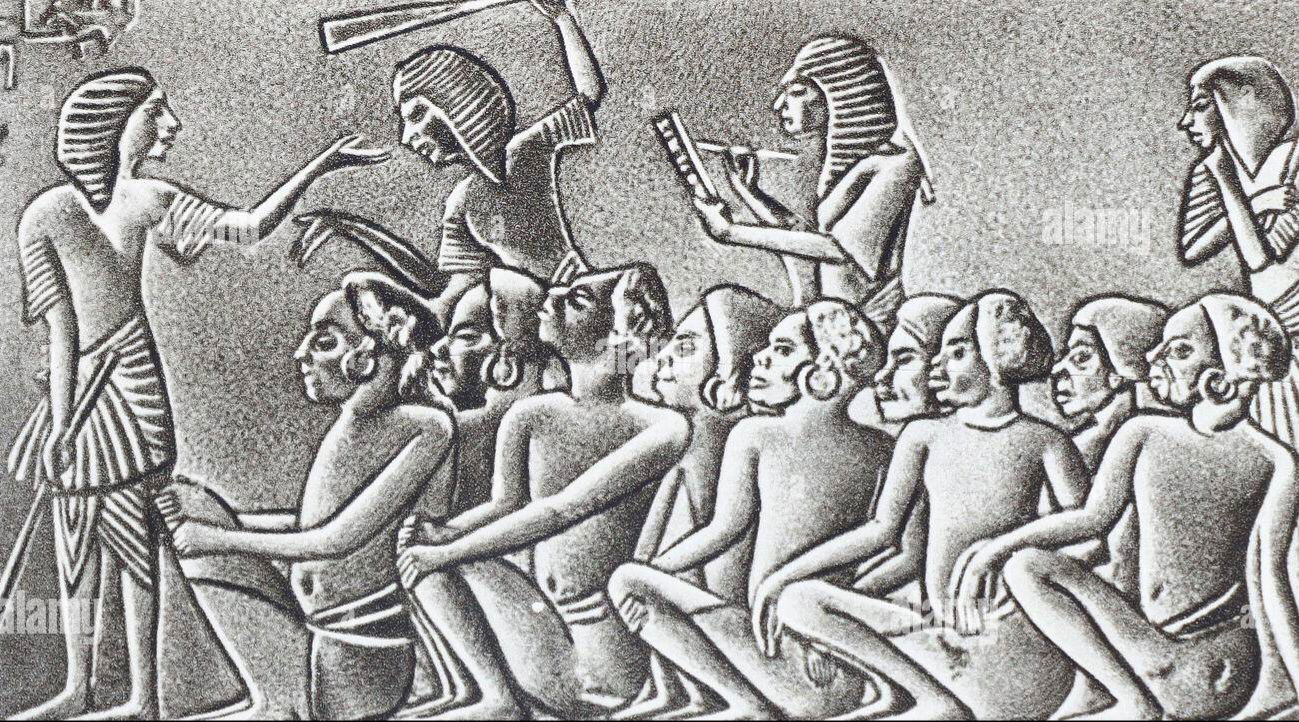
He started by showing an Egyptian bass- relief carved in 2,900 BC, depicting Egyptian slave-traders wielding whips over a troop of Nubian captives in a slave market. It leaves no room for doubt about what is going on.
He went on to mention the trans-Saharan route used by Arab slave-traders whose activity increased in the period 700-800 AD, and the Indian Ocean slave routes, along which Arabs took around 12.5 million slaves to India and the Far East. Millions were supplied to the Mughals in India.
Slaves were traded out of Africa as far North as Iraq, so many that a slave uprising under the Abbasid Caliphate led to civil war.
Arabs from Oman became enormously rich running a slave trade out of Zanzibar for hundreds of years. Tippu Tip was the nickname of Ḥamad ibn Muḥammad ibn Jumʿah ibn Rajab ibn Muḥammad ibn Saʿīd al Murjabī (Arabic: حمد بن محمد بن جمعة بن رجب بن محمد بن سعيد المرجبي), (c.1832 – June 14, 1905) a flourishing Afro-Omani slave trader, whose career lasted into the 20th century, long after European countries had abolished slavery, and the British navy was labouring to stamp it out.
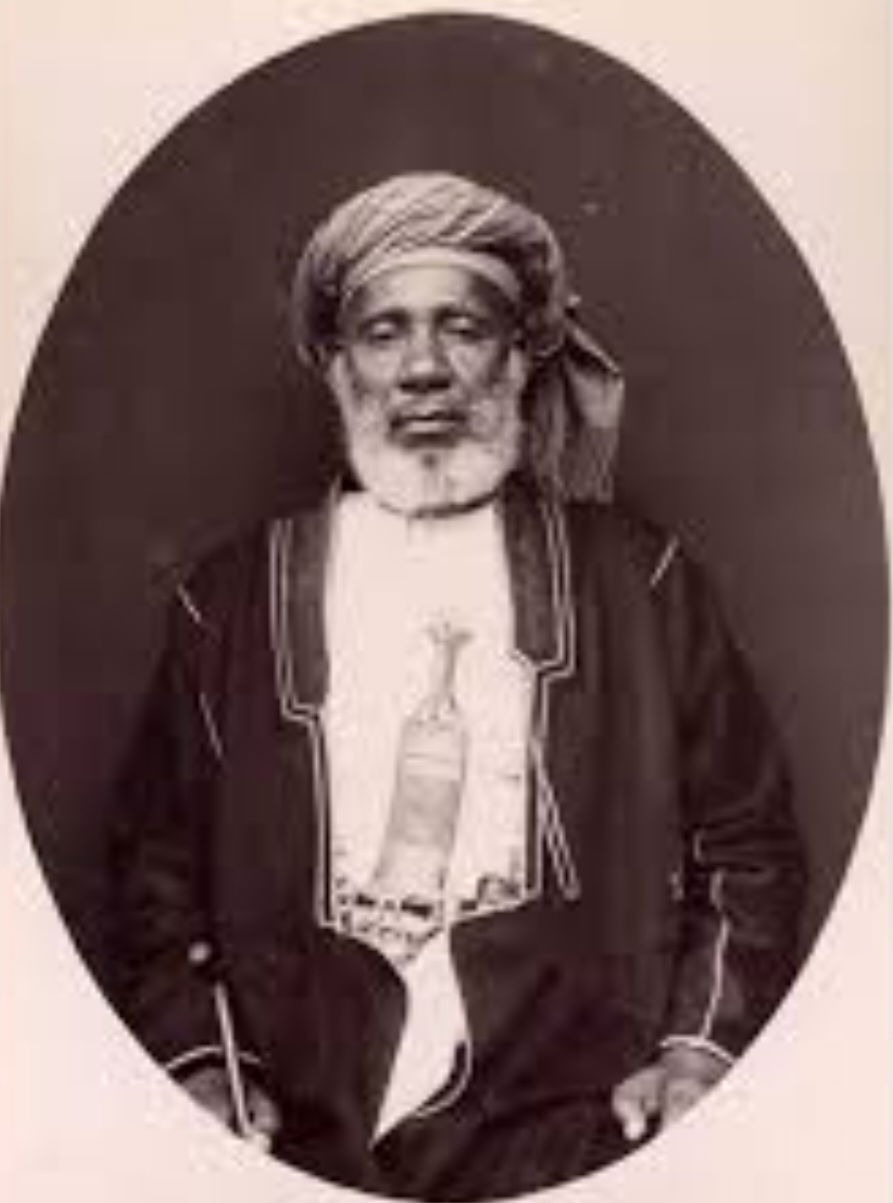
Tippu Tip.
When the Italians invaded Ethiopia in the early 20th century they found a slave population of between 300-400,000.
When we calculate the huge numbers of slaves traded along the various routes across and out of Africa mainly by native Africans, and Arab or Middle Eastern traders over the centuries, the total is staggering - at least 41 million, and that only represents those who survived the journey and cruel conditions. The majority did not.
Barbary pirates abducted people from the South and West coasts of Britain for many centuries to sell as slaves in Africa and the Middle East until the British navy started to patrol and protect these areas.
Plaut's book focuses on Africa and Africans, but slavery occured on virtually every continent. The empire of Genghis Khan took slaves and set up slave trading routes across Europe and Asia, and the Great Wall of China was built by forced labour. It is still hotly disputed whether the Taj Mahal was built by slaves but it is asserted on good grounds that 22,000 slaves were involved. [https://www.google.com/amp/s/www.huffpost.com/archive/in/entry/the-awfully-unromantic-taj-mahal_b_6589586/amp]
Blaut concludes that the fashionable belief that Europeans owe any other nation or continent "reparations" for the Atlantic slave trade is not justifiable. We should instead concentrate on abolishing slavery and human trafficking wherever it survives in the modern world.
That sounds eminently reasonable and fair to me, and I hope that his book gets widely read. It might be a good idea to ask your local public library to acquire it.
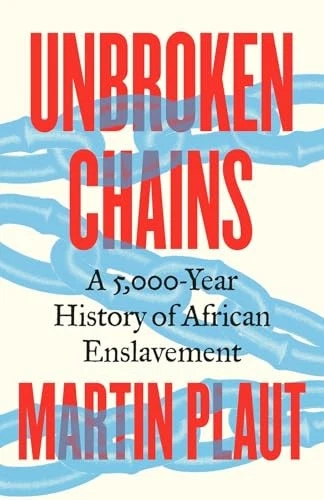
All books featured in the Oxford Literary Festival are on sale in Blackwell's and there are often signed or discounted copies available.
https://blackwells.co.uk/bookshop/search/
https://oxfordliteraryfestival.org/